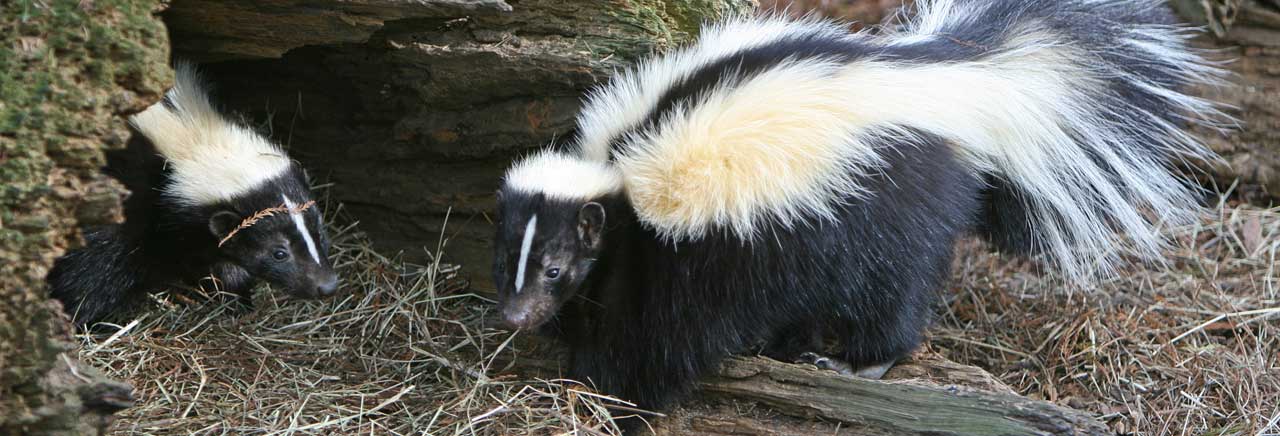


If you’re seeing small, cone-shaped holes appearing across your lawn, you may have a skunk living in your backyard.
While the damage might look alarming at first, it’s a common sign of seasonal foraging behavior, especially in Lancaster County during spring.
Why Skunks Dig Holes in Backyards
Spring brings an abundance of grubs, beetles, and insects below the soil. One of skunk’s favorite food sources is larvae. As nocturnal animals, skunks forage overnight, using their claws and strong sense of smell to locate insects beneath the grass.
The result? Small, shallow holes are scattered across your yard, usually about the size of a golf ball or larger.
Unlike other wildlife damage, skunk digging typically:
- Appears overnight
- Is scattered randomly across the area
- Targets areas with grub infestations
- Does not usually tear up large sections of sod
Other Signs You May Have a Skunk on Your Property
Lawn damage isn’t the only warning sign. Skunks also seek protected areas to establish dens, especially during mating season
Common den locations include:
- Under decks
- Beneath sheds
- Under porches
- Crawlspaces
- Wood piles
You might also notice:
- A strong, unmistakable odor near your home
- Tracks with five toes
- Loose soil near foundation openings
- Activity on security cameras at night
If you’re hearing scratching or movement under a structure, there’s a strong chance it could be a skunk.
Are Skunks Dangerous?
While skunks are not typically aggressive, they can pose serious risks to homeowners and pets.
Rabies Risk
Skunks are one of the primary rabies carriers in Pennsylvania. Any unusual daytime activity, stumbling, or lack of fear toward humans can be a red flag.
Pet Encounters
Dogs are especially at risk. A startled skunk can spray up to 10 feet with a powerful odor that lingers. In some cases, pets may require veterinary care if sprayed in the face or eyes.
Structural Concerns
Dens under decks or sheds can weaken foundations over time and create ongoing wildlife intrusion issues if not properly sealed.
Why DIY Skunk Removal Often Fails
Many homeowners try:
- Store-bought repellents
- Motion lights
- Deterrent machines
- Live traps
Unfortunately, these methods rarely solve the root problem. Repellents may temporarily deter skunks, but they do not remove established dens. DIY trapping violates Pennsylvania wildlife removal guidelines, as all nuisance wildlife animals must be removed by a professional. Home trapping can also result in being sprayed or accidental pet capture.
Most importantly, without professional exclusion work, another skunk or other animal can quickly move back in.
Professional Skunk Removal in Lancaster County
Professional removal focuses on three key steps:
1. Humane Trapping
Strategically placed traps ensure safe capture without harming the animal.
2. Den Identification & Removal
If babies are present, they must be carefully removed and relocated to prevent starvation and odor issues.
3. Permanent Exclusion
Openings under decks, sheds, and foundations are sealed using custom solutions to prevent re-entry.
This approach protects both your property and local wildlife populations.
Protecting Your Yard from Future Skunk Damage
To reduce the likelihood of repeat activity:
- Treat lawns for grubs
- Secure trash cans
- Remove pet food from outdoors
- Address foundation gaps promptly
Prevention is just as important as removal.
Skunk Removal in Lititz, Manheim & Surrounding Areas
If you’re seeing lawn damage or suspect a den on your property, professional help is the safest and most effective solution.
Backyard Wildlife Solutions provides skunk trapping, den removal, and prevention services throughout Lititz, Manheim, and surrounding Lancaster County communities. Contact us for professional and licensed skunk removal.
Addressing the issue early prevents escalating damage and helps you avoid that unmistakable odor lingering around your home.
