
Keep Critters Out This Fall: Tips for a Secure Home

leaves-in-gutters

As the temperatures drop and leaves start to fall, it’s important to prepare your home to keep critters out. Follow these quick tips to ensure your home stays secure and critter-free this fall! 🍂

Tip #1: Seal the Gaps

With cooler weather approaching, critters of all kinds will be looking for a warm place to settle in. The first step to prevent unwanted guests is to inspect and seal any gaps or holes around your home. These tiny openings can be like welcome mats for rodents, raccoons, opossums, and other animals.

Steps to Seal the Gaps:

1. Inspect Your Home: Walk around the exterior of your home and look for any visible gaps or holes. Pay special attention to areas around windows, doors, and the foundation.

2. Don’t Forget the Roof: Check for any gaps around the roofline, chimneys, and vents. Critters are excellent climbers and will take advantage of any opening they find.

3. Contact a Wildlife Removal Professional for Help: For custom solutions including sealing, contact a professional to ensure effective sealing. Contact us for expert assistance!

4. Maintain Your Seals: Regularly check your seals throughout the season.

Tip #2: Clean Your Gutters 🍁

Fallen leaves can clog gutters, creating a perfect spot for pests to nest. Keep your gutters clean to avoid water damage and prevent critters from moving in.

Gutter Maintenance Tips:

1. Regular Cleaning: Clear out leaves and debris from your gutters regularly, especially during the fall.

2. Install Gutter Guards: Consider installing gutter guards to prevent leaves and debris from accumulating in the first place.

If you need a hand, we’re here to help! We offer gutter services such as exclusion, cleaning and installation of gutter guards.

Tip #3: Inspect Attics and Basements

Critters love cozying up in attics and basements. Inspect these areas for signs of animals and ensure they’re sealed properly.

Inspection Tips:

1. Look for Signs: Check for droppings, nests, or gnawed materials that indicate the presence of pests.

2. Seal Entry Points: Ensure that windows, vents, and other potential entry points are securely sealed.

Need a thorough inspection? We’ve got you covered!

Tip #4: Check Your Chimneys

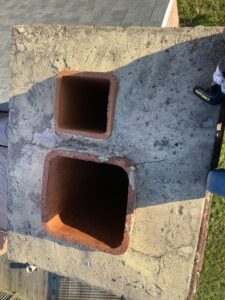
Make sure your chimney has a secure cap to prevent animals from entering. Birds, squirrels, and raccoons love making homes in chimneys.

Chimney Maintenance Tips:

1. Install a Chimney Cap: A stainless steel cap can effectively keep animals out and is durable enough to last a lifetime.

2. Regular Inspections: Have your chimney inspected regularly to ensure the cap is secure and there are no blockages.

We offer stainless steel chimney cap installations with a lifetime warranty. Contact us for more information!

Tip #5: Secure Your Trash Cans and Pet Food

Unsecured pet food and trash cans can attract unwanted animals to your home.

Securing Tips:

1. Store Pet Food Properly: Keep pet food indoors or in sealed containers.

2. Use Secure Trash Cans: Ensure your trash cans have tight-fitting lids.

3. Clean Up Promptly: Clean up food scraps and spills immediately to avoid attracting pests.

By taking these simple steps, you can help keep your home and neighborhood safe from wildlife intrusions. Need help with an animal problem? Contact us for expert removal and prevention solutions!

Let’s enjoy the beauty of fall without the worry of uninvited guests!

Snakes – A Guide to Local Species

Exploring the Snakes of Pennsylvania: A Guide to Local Species

Pennsylvania is home to a variety of snake species, each playing a unique role in the ecosystem. From the venomous Eastern Timber Rattlesnake to the harmless Eastern Garter Snake, these reptiles are fascinating creatures with distinct characteristics. Here’s a comprehensive guide to the different types of snakes you might encounter in Pennsylvania.

Eastern Timber Rattlesnake (Crotalus horridus)

Eastern Timber Rattlesnake

The Eastern Timber Rattlesnake varies in color from yellowish-brown to gray and features dark V-shaped crossbands. It typically grows to a length of 3-5 feet and has a distinctive rattle on its tail used as a warning signal. Preferring deciduous forests, rocky hillsides, and mountainous areas, this snake is shy and reclusive, generally avoiding human contact. It is active from late April to October, primarily during warm months, and is listed as a species of special concern due to habitat loss and persecution.

Northern Copperhead (Agkistrodon contortrix mokasen)

Northern Copperhead
Northern Copperhead

The Northern Copperhead has a coppery-red head with hourglass-shaped crossbands on a lighter body, typically measuring 2-3 feet long. Its crossbands often resemble Hershey’s Kisses. Found in mixed woodlands, rocky outcrops, and near streams and rivers, this nocturnal snake is especially active during the summer months. It is non-aggressive but will bite if threatened and gives birth to live young, usually in late summer or early fall.

Eastern Massasauga (Sistrurus catenatus)

Eastern Massasauga
Eastern Massasauga

The Eastern Massasauga is light gray or brown with dark blotches along its back and is the smallest venomous snake in Pennsylvania, typically 18-30 inches long. It has a small, segmented rattle that is often hard to hear. Preferring wetland areas such as marshes, bogs, and low-lying fields, this rare and secretive snake is often difficult to spot. It is listed as a threatened species and protected by law. The name “Massasauga” is derived from the Chippewa word for “great river mouth.”

Eastern Garter Snake (Thamnophis sirtalis)

Garter snake in grass
Eastern Garter Snake

The Eastern Garter Snake is typically greenish or brownish with three yellow or white stripes running along its body and usually measures 2-4 feet long. Found in a variety of habitats, including gardens, woodlands, and wetlands, this snake is active during the day, often seen basking in the sun or swimming in water. Harmless to humans, it is beneficial for controlling pests and is known for its agility, moving quickly through grass and water.

Eastern Milk Snake (Lampropeltis triangulum)

Eastern Milk Snake
Eastern Milk Snake

The Eastern Milk Snake is brown or gray with reddish-brown blotches bordered in black, resembling the pattern of a milk cow, and typically measures 2-4 feet long. Preferring woodlands, rocky outcrops, and barns, where it preys on rodents, this non-venomous and shy snake is often mistaken for a venomous rattlesnake due to its coloration. Milk snakes are constrictors, meaning they kill their prey by wrapping around it and squeezing until it suffocates.

Black Rat Snake (Pantherophis alleghaniensis)

Black Rat Snake
Black Rat Snake

The Black Rat Snake is solid black with a white or yellow throat and can reach lengths of 4-6 feet. Common in forests, farmlands, and rocky outcrops, this snake is often found near barns and buildings. Known for their impressive size and strength, black rat snakes are excellent climbers, often seen scaling trees in search of prey. Harmless to humans, they constrict and suffocate their prey, including birds and small mammals.

Black Racer Snake (Coluber constrictor constrictor)

Black Racer Snake

The Northern Black Racer is a non-venomous snake found in the eastern United States, including Pennsylvania. It can grow up to 6 feet long and is known for its smooth, shiny black body and lighter belly. This snake likes to live in forests, fields, and wetlands and is very fast and active during the day. It hunts small animals like mice, birds, frogs, and insects. While it helps control pests, people often mistake it for a dangerous snake. Even though it can act defensively when scared, it is not harmful to humans.

How to Stay Safe Around Snakes

While most snakes in Pennsylvania are harmless and beneficial, it’s essential to take precautions to avoid bites. Stay on trails and avoid wandering into tall grass or wooded areas where snakes may be hiding. Wearing long pants and boots can help protect against snake bites, and if you encounter a snake, maintain a safe distance and do not attempt to handle it.

Call a Professional

Understanding the snakes of Pennsylvania not only enhances our appreciation of these creatures but also helps us coexist with them safely. Whether you’re hiking through the woods or gardening in your backyard, knowing what to look for can make all the difference.

If you encounter a snake inside your home or need assistance with wildlife removal, contact a professional wildlife control service. We can safely and humanely relocate snakes without harming them or posing a risk to you and your family. For any wildlife concerns or assistance, feel free to reach out to us!

Navigating Wildlife Removal – Laws and Considerations

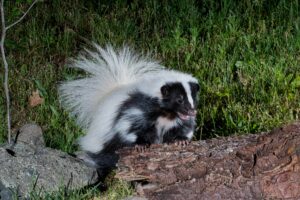
Photograph of a skunk sitting on a log

Central Pennsylvania boasts stunning landscapes and a wide array of wildlife, but sometimes these animals can become a nuisance when they venture into human spaces. When it comes to dealing with these unwanted guests, understanding the rules and doing things the right way is super important. Let’s talk about the laws and rules about wildlife removal in Central Pennsylvania!

Rules and Regulations

Here in Central Pennsylvania, laws from the Pennsylvania Game Commission (PGC) and other local authorities look after both the animals and people. For instance, you can’t just move certain animals without permission. The PGC regulates trapping, moving, and removing these critters to make sure it’s done legally and ethically.

If you’re dealing with critter trouble, it’s smart to get in touch with licensed professionals who know these rules inside out. That’s where we come in – as certified animal removal experts in Central PA, we’ve got the expertise and insurance to handle the job right.

Permits and How Things Work

Sometimes, special critters like bats, birds of prey, or endangered animals need extra care. That means getting specific permits and following certain steps to do things properly which includes using approved methods and having the right gear.

Did you know that relocating certain animals without permission is against the law? These animals might carry germs that can spread if they’re moved incorrectly. That’s why it’s best to let a professional handle wildlife removal and relocation – it keeps everyone and everything safe.

Doing the Right Thing

Besides following the rules, it’s important to do what’s right for these animals. Respecting these animals and their homes matters a lot! However, when they infringe upon your home or property, they need to be removed or relocated to a safe place. Usually, if they’re not causing trouble, they’ll leave you alone if you leave them alone.

To sum it up, when it comes to handling critters in Central Pennsylvania, it’s best to call in a certified wildlife removal pro. With over 15 years of experience, we know the right way to do things – legally and ethically. Reach out to us, and let’s chat about how we can help you out!

Animals in Chimneys

Open Chimney Flues

In a previous blog, we wrote about chimney caps which provide a variety of benefits from keeping unwanted animals out to house fire prevention. We’ll go over different types of chimneys and how animals exploit them. 

About Chimneys

We always recommend open and unused chimneys should be closed with a cap to prevent energy loss and unwanted animal tenants among other benefits. Often, most older homes had water heaters and furnaces, stoves, or fireplaces that were vented through chimneys. Newer homes that include furnaces and water heaters often ventilate through updated methods. With over 15 years of experience in animal removal and repair, we can easily inspect and identify the best solutions.

Animals in Chimneys

Often, animals will enter chimneys and find damage inside due to age or weather issues. Common animals that exploit chimneys include raccoons, squirrels, bats, and birds. From the chimney, they can find a way into walls or attics through missing spots of brick and mortar. Homes and chimneys built with stone are optimal opportunities for critters that love to climb. 

Older chimneys often allow critters to easily crawl in and out, which permits them to make your home, their home! Additionally, we have had a few customers that have had animals climb down their chimneys and enter their living spaces. In these cases, animals are able to crawl down but unable to crawl back up. 

Chimneys with Dampers

In some other cases, chimneys with dampers also provide access. Chimneys with dampers more often than not can get stuck.

A few years ago, a homeowner experienced this issue and ended up with two squirrels in their living room within a week. After we removed the second squirrel, we recommended the installation of a stainless steel chimney cap to prevent any other animals from entering their chimney.

The Bottom Line

Our stainless chimney caps include a lifetime warranty and include a variety of benefits, keeping animals out first and foremost. If there is more serious damage, we can recommend a consultation with a chimney company for repair.

Give us a call or contact us to identify the best solution for your chimney!

Rabbits in Pennsylvania

About Rabbits 

Rabbits are a part of the Leporidae, including all rabbit and hare species. There are 60 different species of mammals in this family! While they look cute and cuddly, they damage your property and carry infectious diseases.

What do they do?

Rabbits are most known for hopping and foraging in gardens. However, they can jump to high heights and long distances! Rabbits can jump up to 3 feet high and 10 feet in distance. Rabbits can almost see 360 degrees due to their eye positioning. Moreover, rabbits spend most of their time grooming, eating, digging, foraging, and playing. Around mid to late morning, they retreat to their dens to relax.

Rabbits in Pennsylvania do not hibernate in the winter; they’re active year-round! They usually spend more time in the winter searching for their food due to greens not being available. They’ll typically eat bark, twigs, and pine needles.

On the contrary, rabbits leave droppings everywhere they go, and can be destructive. During the colder months, rabbits search for shelter from the elements and predators. They prefer to live under decks, in sheds, in crawl spaces, really anywhere accessible, and close to foraging spots!

Preventing Rabbits from making your home their home

Installing fencing that extends below the ground can protect rabbits from gaining entry to your property. It prevents rabbits from digging below the surface as well as other animals like moles and groundhogs.

Performing regular yard clean-up, even in the winter, can make your property less attractive to rabbits. By clearing fallen twigs and branches throughout the winter, rabbits will likely choose a more convenient location for their homes.

Furthermore, having a nuisance wildlife control expert seal any potential entry points prevents rabbits and other animals from entering your home.

What diseases do they carry?

Rabbits carry a variety of viruses including tularemia, salmonella, ringworm, e. cuniculi, tetanus, and sniffles. Most recently in 2020, Rabbit Hemorrhagic Disease (RHD), was detected for the first time in wild hares and rabbits in the United States. In August 2022, RHDV2 was detected for the first time in Pennsylvania in a domestic rabbit facility in Fayette County. 

How does it spread?

It is highly contagious and spreads between hares and rabbits through direct contact with an infected live or dead individual, ingesting contaminated food or water, through infected flies, birds, biting insects, predators, and scavengers, and contact with urine, droppings, and respiratory discharges. This virus can survive on clothing, shoes, plant material, or any other items that come in contact with an infected animal.

How does RHD affect rabbits in Pennsylvania?

RHD is fatal, with between 75%-100% of infected animals resulting in death. Infected animals will present poor appetites, lethargy, and blood emitting from their mouths or noses. RHD is not infectious to other domestic animals or people.

Multiple dead or sick rabbits or hares can signify tularemia or plague; diseases that can cause serious illness in people. It is extremely important that an animal removal professional handle the potentially infected animals. With over 15 years of experience, we follow the safest practices for animal removal outlined by the PA Game Commission. 

What can we do to prevent RHD?

The PA Department of Agriculture believes that early detection of the disease and removal of the suspected animal is the best method to mitigate the RHD outbreak. 

As a home or business owner, avoid touching any dead hares or rabbits. Clean and disinfect all surfaces and equipment that may have contacted RHD-positive animals. We handle many types of animal removal, including dead animals. Call or contact us for safe and effective animal removal!