Hantavirus in the News: What Homeowners Should Know About Rodent Health Risks
Understanding health risks surrounding rodent droppings can help protect your home and family from hidden hazards like hantavirus and other rodent-borne illnesses. Recent news about a hantavirus exposure on a cruise ship has raised new concerns about the health risks associated with rodents and their droppings. While most people associate mice with nuisance issues like scratching sounds or chewed materials, rodents can also pose serious health concerns, especially when infestations go unnoticed.
Although hantavirus remains rare in Pennsylvania, understanding how it spreads and how to safely respond to rodent activity can help protect your home and family.
What Is Hantavirus?
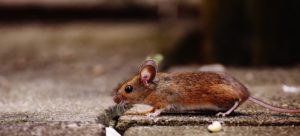
Hantavirus is a virus primarily carried by certain species of wild rodents, most commonly deer mice. People can become exposed when they inhale tiny airborne particles contaminated by rodent urine, droppings, or saliva.
This often happens during activities like sweeping out sheds, cleaning garages, opening seasonal cabins, or disturbing hidden nesting materials in attics and crawlspaces.
Unlike direct rodent sightings, hantavirus risk can remain even after the animal is gone—making proper cleanup especially important.
Understanding the Health Risks of Rodent Droppings
Many homeowners don’t realize they have a rodent problem until they hear scratching in the walls or discover droppings in storage areas. By that point, mice may have already created nests in insulation, behind appliances, or inside crawlspaces.
Rodent droppings can contaminate surfaces, stored belongings, and even indoor air when disturbed. Attempting to clean heavily contaminated areas without proper precautions can increase exposure to airborne particles.
While hantavirus is uncommon in the eastern U.S., mice and other rodents can also spread additional illnesses and trigger allergies, making prompt removal and cleanup essential.
Signs You May Have a Rodent Problem
Rodents are often active at night, which means infestations can increase before homeowners notice them. Common warning signs include droppings, gnaw marks, shredded nesting materials, and scratching or scurrying sounds in walls or ceilings.
You may also notice unusual odors, especially in attics, basements, garages, or storage sheds. A foul odor can indicate dead animals in the walls, which requires professional dead animal removal.
Addressing these signs early can help prevent larger infestations and reduce health risks.
Avoid These Common Cleanup Mistakes
If you discover rodent droppings, avoid sweeping or vacuuming the area. These actions can stir contaminated dust into the air.
Professional remediation may be necessary. Licensed and insured technicians understand the practices and risks associated with dropping clean up, and can safely restore the affected area.
The most important part is identifying how rodents entered your home in the first place.
Prevention Starts with Rodent Exclusion
The best way to reduce rodent-related health risks is to prevent rodents from entering your home altogether. Small gaps around foundations, utility lines, vents, and garage doors can all provide easy access.
Professional wildlife and rodent exclusion focuses on sealing potential or active entry points, removing active infestations, and addressing contaminated nesting areas safely.
As temperatures fluctuate and rodents seek shelter indoors, proactive prevention can make all the difference.
Rodent Removal and Wildlife Prevention in Lancaster County
At Backyard Wildlife Solutions, we help homeowners throughout Lancaster County identify rodent activity, remove nuisance wildlife, and secure homes against future intrusions.
While hantavirus remains rare, recent headlines serve as an important reminder that rodents can pose more than just structural concerns. Taking early action protects both your property and your health.
If you’ve noticed signs of mice or rodent activity in your home, professional inspection and exclusion can provide peace of mind before a small issue becomes a larger problem. Give us a call or use our contact form for rodent removal, including mice and rats.