
Spring Bat Season in Lancaster County: Signs Bats Are Roosting in Your Attic

As warmer weather arrives across Lancaster County, bats begin searching for safe, sheltered spaces to raise their young. Unfortunately, attics, soffits, and rooflines provide the perfect environment, making spring one of the busiest seasons for bat activity in homes.

Many homeowners in Lititz, Ephrata, Manheim, and surrounding areas don’t realize bats have moved in until they hear chirping or scratching sounds at night, or discover grease-stained appearances near vents and roof edges. Early detection is key to preventing larger colonies and costly cleanup.

If you’re searching for humane bat removal near me, understanding bat behavior and knowing what signs to look for can help you act before the problem grows.


Common Bat Species Found in Lancaster County Homes

Pennsylvania is home to several bat species, but two are especially common in residential structures:

Little Brown Bat

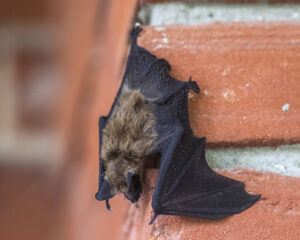
The little brown bat is one of the most frequently encountered species in attics. These bats are small, quiet, and often form large maternity colonies during spring and summer. They typically enter homes through tiny gaps along rooflines, vents, or fascia boards.

Big Brown Bat

The brown bat, often called the big brown bat, is slightly larger and more tolerant of cooler temperatures. This species is known to roost in attics, chimneys, and wall cavities and may remain active later into the fall.

Both species are protected in Pennsylvania, meaning removal must follow state regulations and seasonal guidelines.


Signs You May Have Bats in Your Attic

Bat activity isn’t always obvious at first. Homeowners may not notice early warning signs until the damage becomes significant.

Common indicators include:

• Chirping or scratching sounds around dusk or dawn
• Dark grease marks near roof edges or vents
• Strong ammonia-like odors inside the home
• Accumulations of bat guano in attic spaces or around exterior walls
• Seeing bats flying near your roofline around sunset

Bat guano can harbor diseases that pose health risks when disturbed. Professional cleanup and remediation are necessary once bats are removed.


Why Spring Is a Critical Time for Bat Removal Planning

Spring marks the beginning of maternity season. Female bats gather in colonies to give birth and raise pups. During this time, exclusion cannot legally occur because baby bats cannot fly and would be left trapped inside.

Early spring inspections are crucial for identifying entry points and allow homeowners to prepare for humane removal once exclusion is available later in the summer.

If you wait until noises become constant or odors intensify, the colony may already be well established.


Why DIY Bat Removal Is Risky

Attempting bat removal on your own can lead to:

• Illegal eviction during maternity season
• Trapped bats dying inside the walls
• Increased interior contamination
• Re-entry after improper sealing

Store-bought repellents and ultrasonic devices are not effective. Bat removal requires specialized exclusion techniques combined with permanent sealing.

When homeowners search for professional bat removal near me, they’re usually dealing with an established colony that needs expert handling.


Our Humane Bat Removal Process in Lancaster County

At Backyard Wildlife Solutions, we specialize in humane bat removal throughout Lancaster County and surrounding areas.

Our process includes:

  • A full interior and exterior inspection to identify entry points
  • Installation of one-way doors when permitted
  • Permanent sealing of access areas
  • Recommended attic restoration and bat guano cleanup
  • Custom preventative measures to stop future infestations
  • Bat warranty, which covers re-entry up to three (3) years

Every home is different, which is why we provide solutions customized to your home and bat removal needs.

👉 Learn more about our bat removal services here:
https://paanimalremoval.com/bat-removal/


Protect Your Home Before Bat Season Gets Worse

If you suspect bat activity or want to prevent future problems, now is the time to act. Early inspections can save homeowners thousands in cleanup costs and structural repairs.

Backyard Wildlife Solutions provides humane bat removal and exclusion services across Lititz, Ephrata, Manheim, Lancaster, and surrounding areas.

If you’re searching for humane bat removal near me, contact us today to schedule an inspection and protect your home before colonies become established.

Ground Barriers

Ground Barriers for Burrowing Wildlife: Why Some Systems Fail and How to Get Effective Results

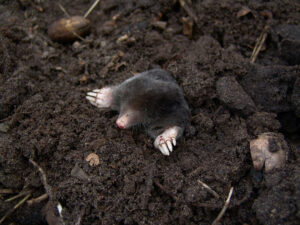
If you’re dealing with animals digging under decks, sheds, porches, or foundations, one of the first lines of defense you might hear about is installing ground fencing along the base of the structure. These systems are often marketed as “quick fixes” that are driven straight into the ground to stop animals like groundhogs, skunks, and raccoons from tunneling underneath.

Vertical barriers are not always the long-term solution people expect – and in many cases, they lead to repeat intrusions.


Why Vertical Barriers Often Fail

Animals that dig are extremely persistent and adaptable. When fencing is installed straight down into the ground, it only blocks the exact spot where it is placed. These critters quickly discover that they can start digging just beyond the barrier and tunnel underneath it.

Instead of stopping activity, vertical-only systems often shift the problem, which creates new burrows while leaving the original entry point vulnerable.


The Problem With Soil Conditions

Another major drawback with pound-in fencing systems is the ground itself. Many properties in Lancaster County have rocky soil, compacted clay, buried roots, or utility lines near foundations. In these conditions, driving fencing deep enough to be effective can range from extremely difficult to impossible and risky.

When barriers can’t reach the necessary depth, they provide even less protection for animals to dig under them.


Why Horizontal Protection Works Better

A more effective approach to wildlife exclusion combines both vertical and horizontal protection. Instead of placing fencing straight down, the material is bent outward in an L-shape underground. This creates a hidden barrier that animals hit when they try to tunnel – forcing them to give up rather than digging deeper.

This is the most effective method because critters naturally dig downward and forward. When they encounter solid material extending outward beneath the soil, they usually abandon the attempt.


Why Ground Barriers Must Be Customized

Every property is different. Soil composition, drainage patterns, landscaping, and the specific animal involved all affect which solution will work best. Installing the wrong system often leads to continued burrowing, shifting damage, and unnecessary repeat work.

A professional evaluation ensures the barrier is designed for your yard, not just installed along it.


Final Thoughts

Not all ground barriers are effective. Vertical-only fencing may provide short-term relief, but it rarely stops determined wildlife for good. A properly customized underground barrier that includes outward protection is far more reliable and prevents the cycle of re-entry that frustrates so many homeowners.

If animals are digging around your home, the solution should be built for your property – give us a call for custom animal exclusion!.

How to Get Rid of Mice and Rodents in Lancaster, PA: Winter Prevention Guide

Lancaster’s cold winters send mice into homes for warmth and food. Mice don’t hibernate; as temperatures dip below freezing, they actively seek sheltered spots, such as attics, basements, and wall voids. Older homes in Lancaster with cracks in foundations and walls provide easy entry points for mice, and our rural surroundings mean rodents from barns or fields may wander indoors. In winter, mice enter homes to nest and breed.

Signs of a Mouse Infestation

Watch for these warning signs that mice are already in your home:

  • Droppings: Tiny dark pellets (about the size of black rice) found near food packages, in drawers, or along baseboards.
  • Gnaw marks: Chewed cardboard, plastic, or wood on food boxes, bags, or furniture.
  • Nests: Shredded paper, fabric, or insulation wads hidden in quiet spots. These are commonly found behind appliances, in attics, or in stored boxes.
  • Noises: Scratching or scampering sounds inside walls, ceilings, or under floors are usually heard at night.
  • Pet behavior: Cats or dogs pawing/scratching at walls or cupboards.
  • Strange odor: A strong musty or ammonia-like smell can indicate a nest behind walls.

If you notice any of these signs, act quickly, as mice reproduce fast; a few can turn into dozens in one season.

Seal Entry Points

To keep mice out, thoroughly inspect and seal your home:

  • Check for small gaps: Mice can squeeze through holes as small as ¼ inch (the thickness of a pencil). Check around the foundation, plumbing or cable entry points, dryer vents, attic and roof edges, and gaps under doors.
  • Secure doors and windows: Install or repair weather-stripping on exterior doors (including garage doors) and repair torn screens. Don’t leave your doors propped open – a short period of time with the door open can let a mouse inside.
  • Inspect older construction: Lancaster’s historic brick and stone homes often have cracks. Pay special attention to any gaps around stone foundations or between bricks. 
  • Have your home professionally sealed: Contact a professional animal removal technician for a thorough inspection to find any openings. Post inspection, we’ll seal any potential entry points.

Humane Trapping and Removal

If you still have mice indoors, we recommend using trapping removal methods rather than poisons. Poisons can cause mice to die in walls, leading to odors and costly repairs. Using traps is generally the most effective and humane way to eliminate existing mice.

Once the mice are removed, we offer repair and remediation services for sealing up any potential entry points, repairing damages, and cleaning up any hazardous droppings or nesting materials.

Lancaster’s Winter and Homes

Local factors matter. Lancaster’s winter weather brings frequent freezes, which makes outdoor life perilous for mice, so they press indoors for shelter. Many Lancaster homes are older brick or stone constructions, which often have small cracks and gaps that allow mice to slip through. Additionally, Lancaster County’s large amount of rural and agricultural surroundings can host field mice that move into houses when snow covers the ground. Understanding these specifics – cold weather, historic foundations, and nearby farmland – helps you know where to look first when proofing your home.

When to Call a Professional

If your mouse problem persists despite your best efforts, it’s time to call a Lancaster-area pest control service. Animal removal technicians have the training and tools to professionally catch hidden mice and seal entry points. We use targeted traps and exclusion methods, offering customized plans to protect your home. Signs like hearing scampering or finding droppings are the time to call an expert. Getting professional help early can save on long-term damage; every week mice stay in your walls, they contaminate insulation, chew wiring, and breed more offspring.

In summary, Lancaster homeowners can outsmart winter mice and rodents by acting proactively: seal up any entry points, keep things clean, use traps, and call for help if needed. With these steps, you can successfully get rid of mice in Lancaster and keep them out all winter long.

Keeping Critters Away from Seasonal Displays

Wildlife and Holiday Decor: Keeping Critters Away from Seasonal Displays

As the holidays approach, many homes in Lancaster County are decorated with festive lights, wreaths, and garlands. Decorations can also attract some unwanted guests, like wildlife looking for food or shelter as temperatures drop.

Why Animals Are Attracted to Holiday Decor

During late fall and early winter, animals such as squirrels, mice, and birds are seeking warm, protected areas to nest. Natural materials used in decor, such as pinecones, straw, or dried fruit, look like ideal nesting supplies or quick snacks for critters. Outdoor lights and garlands placed along rooflines or porch railings can also draw attention from critters, especially if they are positioned near entry points, such as vents or eaves.

Common Animal Culprits

  • Squirrels and chipmunks chew through wiring or build nests in wreaths and garlands.
  • Birds tuck into wreaths for warmth or attempt to build nests in porch decor.
  • Mice and rats are drawn to storage boxes of decorations kept in garages, attics, or basements, as packing supplies make great nesting material.

Tips to Keep Your Holiday Displays Wildlife-Free

  • Avoid edible materials in outdoor decor, such as popcorn strings or dried fruit.
  • Store decorations in sealed plastic bins rather than cardboard boxes to deter rodents.
  • Check decorations for droppings or nesting material before bringing them inside.
  • Keep decor away from soffits and vents, which are common entry points for small animals.
  • Inspect lights and wiring regularly, as chewing from rodents or squirrels creates a fire hazard.

A Safe and Festive Season

Keeping your home sealed and decorations critter-free will help ensure a peaceful holiday season. If you notice signs of wildlife activity around your home or decorations, we offer professional wildlife removal in Lancaster and the surrounding areas. Our safe and effective methods help protect both your property and the animals themselves.

Enjoy the season and let us handle the wildlife!

Winter Preparation Tips to Prevent Wildlife Intrusion

Winter Preparation Tips to Prevent Wildlife Intrusion

As cooler weather approaches, fall is the perfect time to prepare your property for the winter months. But while you’re winterizing your home, critters are doing the same as they seek out warm, safe places to handle the cold weather. Unfortunately, they often use your attic, crawl space, chimney, or garage as shelter.

Here’s how to take action this fall to protect your home and prevent unwanted wildlife guests:

Clear Out Yard Debris

Leaves, wood piles, and overgrown shrubs can create ideal hiding spots for animals such as mice, snakes, and skunks. Raking leaves and removing dead foliage can make your property less attractive to critters.

Gutter Cleaning and Gutter Guards

Clogged gutters don’t just cause water damage; they can also become nesting spots for birds, squirrels, and rodents. A gutter cleaning in the fall clears out built-up debris and any potential nests before a snowfall. We recommend installing gutter guards to prevent both debris and animals from entering your gutters in the future.

Chimney Caps

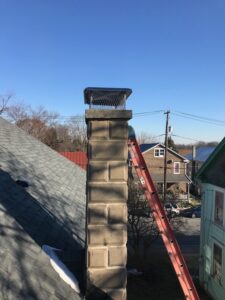
If you haven’t used your chimney since last season, fall is the optimal time to ensure it’s functioning properly. Dampers can stick, and animals like raccoons, squirrels, or birds can easily find their way inside if you don’t have a chimney cap. A properly fitted chimney cap prevents wildlife from entering, reduces fire risk, and keeps debris and rain out of your flue.

Seal Entry Points

Critters don’t need a big opening to get in. Mice and bats can squeeze through holes as small as a quarter. Carefully inspect your home’s roofline, soffits, vents, foundation, and siding for any signs of wear or openings. Contact a professional to have any gaps sealed and replace any damaged vents or coverings.

Need Help with Winter Prep?

At Backyard Wildlife Solutions, we specialize in identifying weak spots around your home and providing custom solutions to keep them out. From gutter guard installation to chimney caps and animal removal, we’re here to help you get ahead of the cold weather.

Call us today to schedule a fall inspection before wildlife makes itself at home in yours!