
Woodpeckers in Pennsylvania

Woodpecker-On-Tree

Protect Your Home from Woodpeckers with Backyard Wildlife Solutions

While woodpeckers are beautiful and majestic birds, they can cause serious damage to homes. At Backyard Wildlife Solutions, we offer preventative methods to keep woodpeckers away from your home!

What Do Woodpeckers Look Like?

In Pennsylvania, we see seven different species of woodpeckers that range from 6 to 18 inches long. They also have a chiseled-like beak used for drilling into trees and other structures. Most male woodpeckers have red markings on the tops of their heads and a mixture of white and brown feathers on their body.

What Do They Do?

Woodpeckers are most commonly known for drumming and their undulating flight. While woodpeckers drill into trees to find food, “drumming” is a rhythmic pecking where they drill into the wood when no insects are present. They drum to mark territory, nest, and communicate with other species of woodpeckers.

Moreover, drumming is performed on wooden components of a home, like siding, shingles, and trim. They will also go after wooden decks and fences. Surprisingly, woodpeckers will choose unhealthy trees to drill into. They strip bark from dead or dying trees, preventing pests from spreading to nearby healthy trees. However, if the area has a low number of unhealthy trees, they will drill into healthy ones.

Food Storage Habits

Woodpeckers in Pennsylvania, such as the Red-bellied Woodpecker and the Downy Woodpecker, do engage in food storage behavior, but they do not typically hide nuts in trees in the same way as the acorn woodpecker does. Instead, they may store food in crevices in tree bark or other small cavities.

One woodpecker species that does store food in this manner is the Red-bellied Woodpecker. They are known to store acorns and other nuts, as well as insects, in tree crevices and even in the wooden structures of houses or utility poles. This behavior helps them ensure a food supply during the winter months when food is scarce.

Overall, while woodpeckers in Pennsylvania do store food, their methods and habits differ from those of the acorn woodpecker, which creates extensive granaries by drilling holes in trees specifically to store acorns.

What Diseases Do They Carry?

As we have highlighted before, birds make very large messes. They leave nesting debris and their droppings contain many diseases. Histoplasmosis, which is fatal to humans, is found in their droppings. West Nile Virus, E. Coli, and Salmonella are also found in their droppings.

How Do We Deal with Woodpeckers?

Woodpeckers are a protected species. If they are in your home, we can use one-way doors to flush them out when eggs or young ones aren’t present. One-way doors are placed in their common entry points. These doors allow the birds to leave, but not return. Once they have left, we seal the home to prevent birds or other animals from entering. We also offer custom solutions to protect or cover the wood elements of your home. In some cases, we use a visual deterrent to discourage them from returning.

If you’re hearing a woodpecker drilling on your home or believe they may be in your home, please call us or use our contact form. We’re your licensed wildlife control technicians for woodpeckers and other animals in Central PA! We are currently serving all of Central PA: ‎Lancaster, Lebanon, Harrisburg, York, and surrounding counties.

Navigating Wildlife Removal – Laws and Considerations

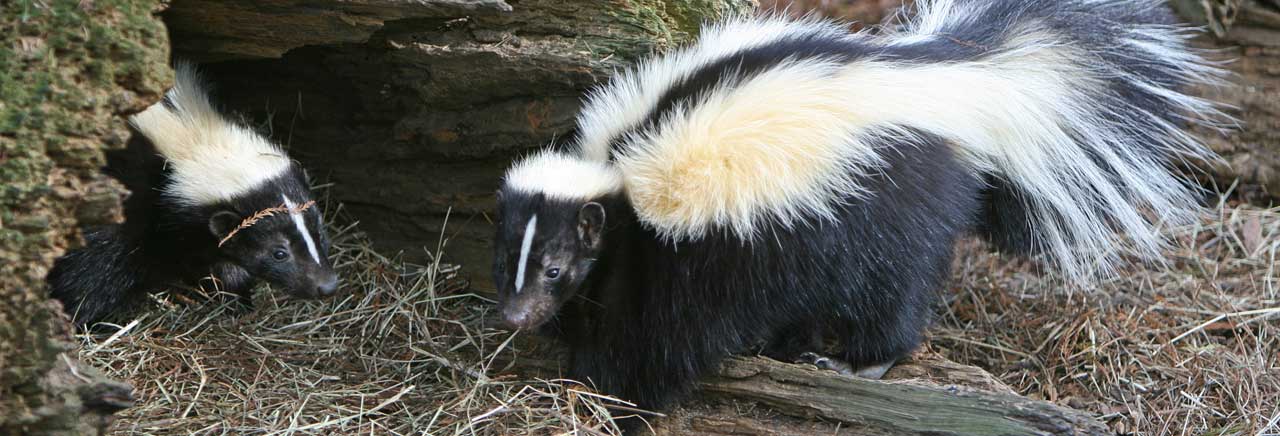
Photograph of a skunk sitting on a log

Central Pennsylvania boasts stunning landscapes and a wide array of wildlife, but sometimes these animals can become a nuisance when they venture into human spaces. When it comes to dealing with these unwanted guests, understanding the rules and doing things the right way is super important. Let’s talk about the laws and rules about wildlife removal in Central Pennsylvania!

Rules and Regulations

Here in Central Pennsylvania, laws from the Pennsylvania Game Commission (PGC) and other local authorities look after both the animals and people. For instance, you can’t just move certain animals without permission. The PGC regulates trapping, moving, and removing these critters to make sure it’s done legally and ethically.

If you’re dealing with critter trouble, it’s smart to get in touch with licensed professionals who know these rules inside out. That’s where we come in – as certified animal removal experts in Central PA, we’ve got the expertise and insurance to handle the job right.

Permits and How Things Work

Sometimes, special critters like bats, birds of prey, or endangered animals need extra care. That means getting specific permits and following certain steps to do things properly which includes using approved methods and having the right gear.

Did you know that relocating certain animals without permission is against the law? These animals might carry germs that can spread if they’re moved incorrectly. That’s why it’s best to let a professional handle wildlife removal and relocation – it keeps everyone and everything safe.

Doing the Right Thing

Besides following the rules, it’s important to do what’s right for these animals. Respecting these animals and their homes matters a lot! However, when they infringe upon your home or property, they need to be removed or relocated to a safe place. Usually, if they’re not causing trouble, they’ll leave you alone if you leave them alone.

To sum it up, when it comes to handling critters in Central Pennsylvania, it’s best to call in a certified wildlife removal pro. With over 15 years of experience, we know the right way to do things – legally and ethically. Reach out to us, and let’s chat about how we can help you out!

Mice Removal from Your Home

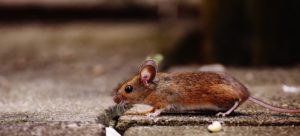
mouse_on_ground

When the temperature drops, mice find their way into homes. Searching for warmer areas, they create nests in attics, basements, or low-traffic areas. While traps are sold at common stores, mice removal can be tricky.

The Differences in Mice

There are two types of mice; the house mouse and the field mouse.

The house mouse ranges from two to three inches in length. Their triangular noses are complemented by long whiskers and large, floppy ears. Their tails are hairy but also long and thin.

The most noticeable difference between these two is their fur color. House mice have gray fur while field mice are brown with white bellies. The field mouse has similar features to the house mouse but is slightly larger in size.

Why are they a nuisance?

Mice make nests anywhere they see fit. Contrary to their name, field mice will also live in homes.

They are nocturnal and very social, it’s not uncommon to see them. On the contrary, they are very territorial.

Common signs of mice in a home include scratching within walls or ceilings and rustling noises in living areas. Their nests include any scraps of material or trash that can be dragged with their tiny bodies. Once in your home, they can create structural damage from chewing. In some instances, they generate fires from chewed wiring.

Moreover, a very bad sign is a foul odor, it can indicate dead mice in your walls. Other signs include urine stains on ceilings and droppings on flat surfaces.

Mice Removal and Clean Up

Setting a few traps should get the job done, right? Well, mice can be difficult. Traps must be placed at appropriate locations in order to be successful. House mice are very smart, often they can eat the bait without setting off the traps. If not placed correctly, they will set off the trap while getting away.

As wildlife professionals, we have over 15 years of experience with mice. With proper trapping methods, we remove the mice quickly and efficiently.

Most diseases you could receive from mice are present in their droppings. Additionally, using improper cleanup methods will cause diseases to go airborne. We offer clean-up services to minimize the risk of spreading any diseases.

Backyard Wildlife Solutions are the professionals you need for mice removal in Hershey, York, Lebanon, Lancaster, and other surrounding areas. If you live in or nearby these locations, please call or contact us.

Animals in Chimneys

Open Chimney Flues

In a previous blog, we wrote about chimney caps which provide a variety of benefits from keeping unwanted animals out to house fire prevention. We’ll go over different types of chimneys and how animals exploit them. 

About Chimneys

We always recommend open and unused chimneys should be closed with a cap to prevent energy loss and unwanted animal tenants among other benefits. Often, most older homes had water heaters and furnaces, stoves, or fireplaces that were vented through chimneys. Newer homes that include furnaces and water heaters often ventilate through updated methods. With over 15 years of experience in animal removal and repair, we can easily inspect and identify the best solutions.

Animals in Chimneys

Often, animals will enter chimneys and find damage inside due to age or weather issues. Common animals that exploit chimneys include raccoons, squirrels, bats, and birds. From the chimney, they can find a way into walls or attics through missing spots of brick and mortar. Homes and chimneys built with stone are optimal opportunities for critters that love to climb. 

Older chimneys often allow critters to easily crawl in and out, which permits them to make your home, their home! Additionally, we have had a few customers that have had animals climb down their chimneys and enter their living spaces. In these cases, animals are able to crawl down but unable to crawl back up. 

Chimneys with Dampers

In some other cases, chimneys with dampers also provide access. Chimneys with dampers more often than not can get stuck.

A few years ago, a homeowner experienced this issue and ended up with two squirrels in their living room within a week. After we removed the second squirrel, we recommended the installation of a stainless steel chimney cap to prevent any other animals from entering their chimney.

The Bottom Line

Our stainless chimney caps include a lifetime warranty and include a variety of benefits, keeping animals out first and foremost. If there is more serious damage, we can recommend a consultation with a chimney company for repair.

Give us a call or contact us to identify the best solution for your chimney!

Spotted Lanternfly in Pennsylvania

Spotted Lanternflies on a Tree Trunk

We’re sure you’ve heard about the spotted lanternfly and the damage they cause. While we don’t handle bug issues, we’ll highlight a few facts about them and what you should be doing to protect your trees and plants!

What does the spotted lanternfly look like?

Spotted lanternflies look different depending on their stages of growth. There are three stages of growth for a spotted lanternfly: early nymphs, late nymphs, and adults.

The early nymphs are very small, they are all black with white spots. A late nymph is slightly larger in size and begins to show their vibrant red color on its body.

Adult spotted lanternflies are the only stage that can fly; they are extremely noticeable due to their colorful wings. These adults emerge in July and stick around until late fall.

Where did they come from and what do they do?

The spotted lantern fly is an invasive plant hopper from Asia. They negatively impact crops such as grapes, hopes, and hardwoods. They are technically a plant stressor-they do not kill all plants or trees.

Moreover, the eggs they lay in the fall hatch in the spring. Egg masses are laid on hard surfaces like trees, decks, houses, et cetera.

Signs of an infected tree or plant include oozing sap from trees, wilting, leaf curling, and tree dieback.

What should I do if I see them?

Penn State University states five steps for spotted lanternfly control:

  1. Stop the spread
  2. Scrape egg masses
  3. Use tree traps to catch nymphs
  4. Remove host plants
  5. Apply insecticides

Scraping and destroying an egg mass prevents 30-50 eggs from being hatched. Furthermore, we highly recommend using bands or traps on trees with a screening system in place to prevent squirrels or other animals from being stuck to the strips.

Look out for their host plants and trees! Their preferred tree is the tree of heaven. They also like pine trees, apple trees, grapevines, and other various fruit-producing trees. A full list can be found here

As of Summer 2021, Penn State also recommends an effective trapping method that operates by trapping immature lanternflies. By studying their behavior patterns for a few years, they are able to predict where the nymphs will fly out. 

Registered insecticides are also available. All insecticides used must be approved by the Environmental Protection Agency. We do not use pesticides or repellant sprays, so a pest control company would be the best to contact for spotted lanternfly control.

'post', 'posts_per_page' => $default_posts_per_page, 'paged' => $paged, ); $loop = new WP_Query( $args ); if ( $loop->have_posts() ) { while ( $loop->have_posts() ) : $loop->the_post(); get_template_part( 'template-parts/content', get_post_type() ); endwhile; $total_pages = $loop->max_num_pages; if ($total_pages > 1){ $current_page = max(1, get_query_var('paged')); echo paginate_links(array( 'base' => get_pagenum_link(1) . '%_%', 'format' => '/page/%#%', 'current' => $current_page, 'total' => $total_pages, 'prev_text' => __('< Previous'), 'next_text' => __('Next >'), )); } } wp_reset_postdata(); ?>